

From Sustainable Tourism to Regenerative Tourism
In recent years, sustainability has become a fundamental reference point for the tourism sector. Travelers, institutions, and industry operators are increasingly aware of the importance of reducing the environmental impact of travel, protecting natural and cultural heritage, and supporting local economies. Alongside this growing awareness, a new perspective is emerging that expands the very concept of sustainability: regenerative tourism.
While sustainable tourism was born with the aim of limiting the negative effects of travel, regenerative tourism goes a step further by proposing a model capable of generating a positive impact on destinations. The goal is not only to preserve what already exists, but also to actively contribute to improving ecosystems, strengthening local communities, and enhancing cultural identities. In this vision, travel becomes an experience of mutual exchange: the visitor is no longer just a guest of a destination, but part of a system that can contribute to its growth and protection.
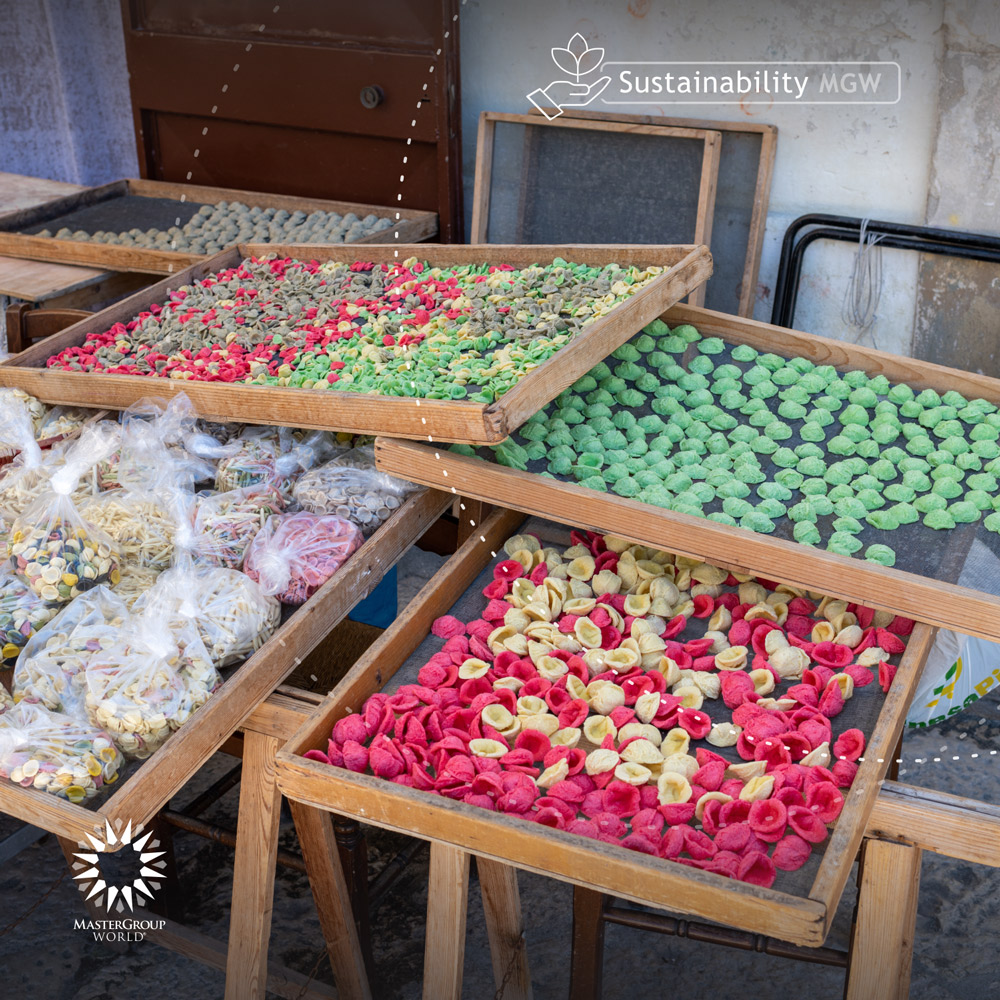
This approach increasingly translates into the promotion of authentic experiences that create a direct connection between travelers and local territories. Itineraries focused on local traditions, food and wine routes linked to regional products, cultural activities, and environmental conservation initiatives are concrete examples of how tourism can become a tool for sustainable development. Involving local communities in the design of tourism experiences means creating widespread economic opportunities, strengthening a sense of belonging, and preserving the cultural heritage that makes each destination unique.
At the same time, technological innovation is also helping make tourism more responsible. The use of digital tools and data management systems now makes it possible to optimize resource use, monitor tourist flows, and reduce waste. From more efficient energy management in hospitality facilities to reducing food waste and developing smarter mobility solutions, technology is becoming an important ally in building a more balanced and conscious tourism ecosystem.
In this context, the events and corporate meetings sector also plays an important role. Designing low-impact events, prioritizing local suppliers, and adopting responsible material management practices are just some of the ways to reduce the environmental footprint of MICE-related activities. At the same time, events and incentive programs can become real opportunities to promote host destinations, generating economic and social benefits for local communities.
Tourism is undergoing a profound transformation, where the success of a destination is no longer measured solely by the number of visitors, but by its ability to create shared value for the environment, the economy, and society. From this perspective, adopting a regenerative approach means imagining a development model in which every trip, experience, or event can positively contribute to the future of the places that host it. It is an ambitious challenge, but also a concrete opportunity to build a more conscious, resilient, and forward-looking tourism industry.