

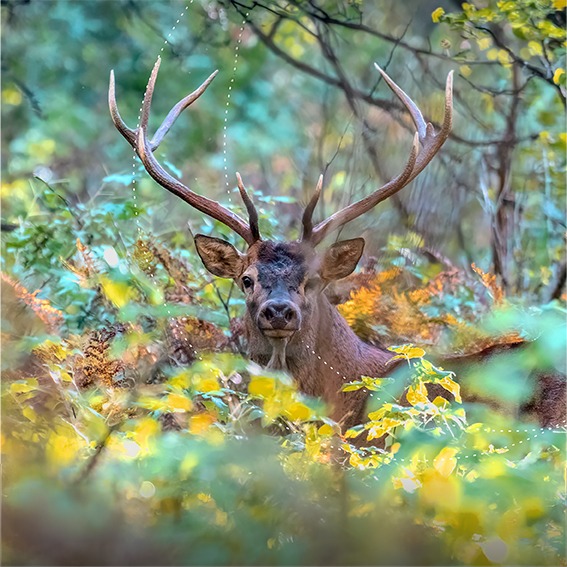
Gentle Footprints: protecting wildlife and flora as you travel
When we think of sustainable tourism, what often comes to mind is mindful resource use, emissions reduction, or support for local communities. Yet we often overlook a crucial aspect: respect for the living world around us—its wildlife, plants, and delicate ecosystems.
Every time we enter a natural environment—be it a mountain trail, a forest, a beach, or a park—we are guests in a complex living ecosystem. Moving with reverence and leaving the lightest possible footprint is an act of responsibility that truly makes a difference.
Why It Matters
- Preserving natural wildlife behaviors: Getting too close, feeding wild animals, or leaving food unattended may seem harmless, but it disrupts their natural habits. Wildlife can lose their innate wariness of humans, alter migration patterns, or become dependent on unnatural food sources.
- Protecting flora and microhabitats: Straying from marked paths or picking plants, flowers, and fruits can damage rare species and compromise soil integrity and biodiversity. Even the smallest action can leave a visible, lasting impact over time.
- Preventing hazards for wildlife and people: Animals lured by leftover food can venture dangerously close to human settlements, creating safety risks for both. Furthermore, discarded organic waste can spread disease or attract invasive species.
Simple Habits, Profound Impact
Small, everyday actions in the field guarantee the preservation and respect of local biodiversity:
- Wildlife
- Ecosystems
- Pristine Trails
- Responsibility
- Observe from a distance: appreciate animals in their natural habitats without disturbing them. Binoculars and telephoto zoom lenses are wonderful companions.
- Do not feed wild animals: while it may seem like a kind gesture, it is one of the leading causes of ecological disruption.
- Pack everything out: food scraps, packaging, fruit peels… even organic waste must be carried out and disposed of properly.
- Stay on marked trails: straying off-trail can crush delicate vegetation and disturb fragile nesting and shelter grounds.
- Inspire your fellow travelers: meaningful change begins with collective awareness. Share these mindful habits with friends, family, and travel companions.
- Support local conservation: where conservation initiatives, wildlife trusts, or natural parks exist, consider contributing through a donation or by taking part in their educational activities.
Our Commitment
At Master Group World, we believe every journey should leave a positive legacy, not a heavy footprint on nature. That is why:
- throughout our programs, we continually guide travelers to respect local wildlife and flora;
- we curate low-impact itineraries that avoid ecologically vulnerable areas;
- we collaborate with certified environmental guides and local specialists who know the land intimately;
- we foster environmental stewardship through dedicated informational guides and meaningful dialogues.
As explored in our previous features “Authentic and Responsible Tourism” and “Tourism and Sustainability: Every Drop Makes a Difference”, sustainable travel is fundamentally an act of care.
Sustainable travel is an act of care: for the planet, for those who call it home, and for the future.